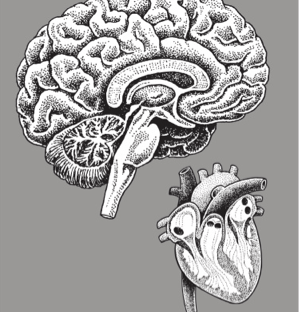
Your body and mind are connected by nerve bundles, which move muscles and keep your organs functioning. Sensory stimuli is provided to the brain through these nerves. A healthy brain therefore starts with a healthy body. Athletes have more than likely been focusing on athletic performance, perhaps without even realizing the affect your physical activity has on your brain. For those of us who quit exercising abruptly (perhaps because of an injury, or because of getting so sick of pushing the body for hours, years on end), may therefore not know the affect that a lack of exercising has on the brain.
Author: Katie Hargrave
A post-sport athlete, Weight Loss Coach, Holistic Health Coach, and Personal Trainer trying to become the healthiest version of herself and guide others in their journey.
An Intro to GMOs, with Help from Bill Nye
GMOs, or "Genetically Modified Organisms," are plants or animals that have been genetically engineered with DNA from viruses, bacteria, or other plants and animals—combinations of genes that cannot occur in nature.
How Often/Long Should You Exercise?
The amount of time spent exercising per week is different for competing athletes and those just trying to maintain a healthy, post-sport lifestyle. Three hours of exercising 5-6 days per week isn't realistic for people with full time jobs, and isn't realistic for your body for the rest of your life.